Residential Boiler Heating 101: A Guide to Home Hydronic Systems
New Installations vs. Retrofit Boiler Replacements
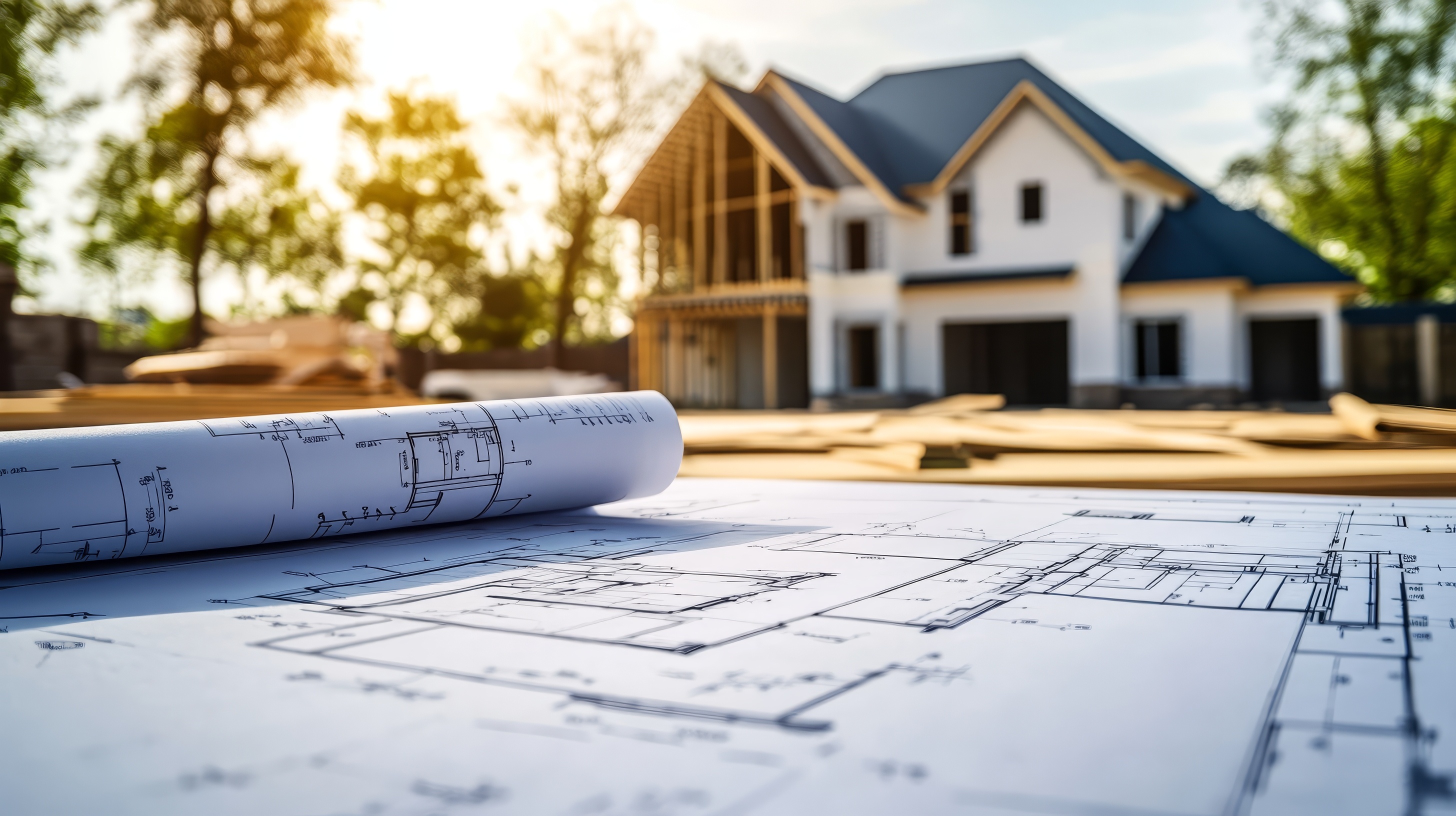
Whether you are installing a new system or retrofitting an existing setup, modern hydronic heating options can adapt to any home architecture.
- New Construction Installations: New boiler heating systems offer maximum location flexibility. They can be placed anywhere that supports the clearance and service requirements of your residential mechanical room.
- Retrofit Boiler Replacements: Replacing an older unit with a modern boiler can go in almost any layout. However, the most economical solution is a footprint that matches your existing space and seamlessly connects to your current home heating pipe system.
Versatile Home Heating and Outdoor Hydronic Applications
Residential boilers do far more than just heat rooms. A single boiler can manage your indoor climate, heat your domestic water supply, or handle both simultaneously.
Modern boilers deliver energy-efficient heat through diverse applications:
- Baseboard Radiators: Even, dependable radiant heat delivered through standard baseboards.
- In-Floor Radiant Heating: Luxurious warmth distributed evenly beneath your floors.
- Pool and Spa Heating: Extend your swimming season by routing boiler heat to your pool.
- Snowmelt Systems: Keep your driveway and walkways completely free of dangerous winter ice and heavy snow without shoveling.
Choosing Between Tankless Systems and Indirect Water Heaters
How you choose to heat your household water depends on your peak usage habits and flow requirements.
- Indirect Water Heaters: Pairing a high-efficiency boiler with an indirect tank is ideal for high-flow, short-duration demands, such as rapidly filling a luxury soaking tub.
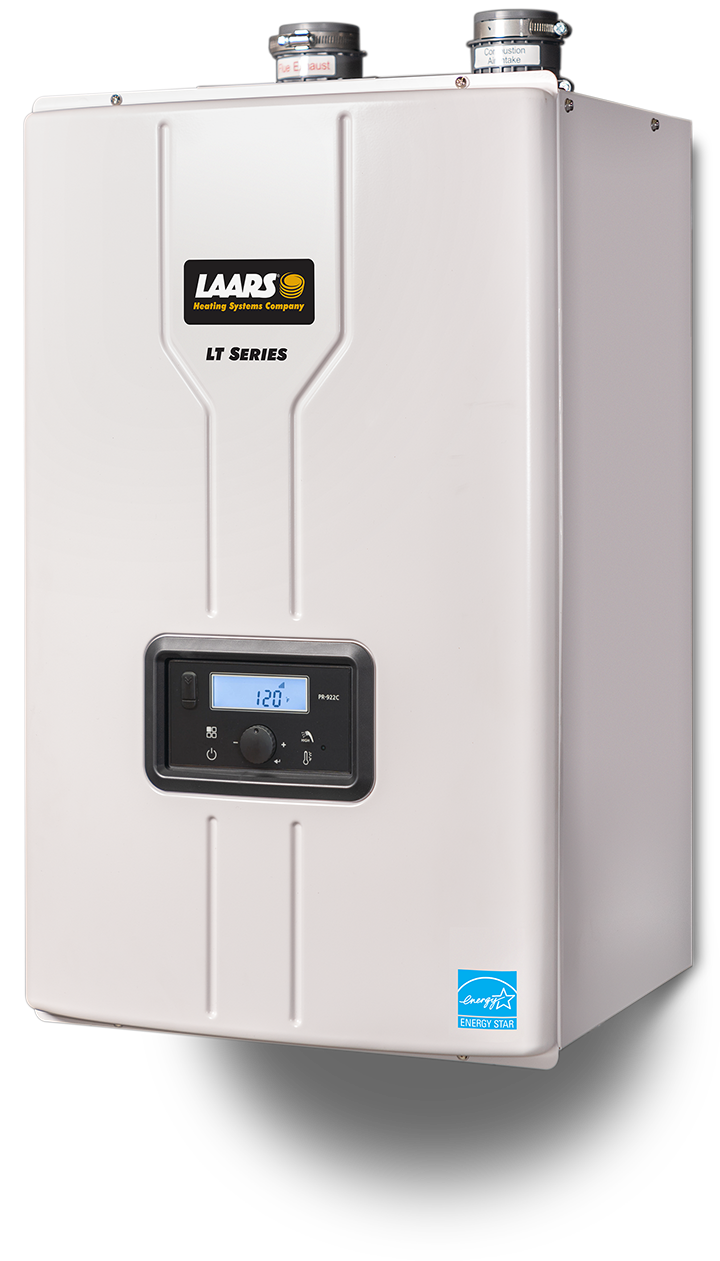
- On-Demand Tankless Water Heaters: Modern tankless units, like the Laars LT Series, efficiently deliver endless hot water to multiple appliances simultaneously without needing a bulky storage tank.
Consulting a licensed HVAC professional is the best way to determine which hydronic system design fits your home's layout.
Outdoor Reset Sensors Minimize Energy Bills
High-efficiency and mid-efficiency boilers utilize advanced programming accessories to optimize fuel consumption. A prime example is outdoor reset technology.
This feature automatically alters the boiler’s water temperature based on the real-time weather outside:
- Matches Heat Loss: The system calculates exactly how much heat is escaping through your walls and roof.
- Prevents Temperature Swings: By delivering targeted heat loads, the system eliminates sudden temperature spikes and drops.
- Lowers Utility Costs: Running the boiler at lower necessary temperatures actively minimizes your monthly heating bill.
Smart Technology and Efficiency Features in Gas-Fired Boilers
Advanced Smart Controls and Wireless Thermostats
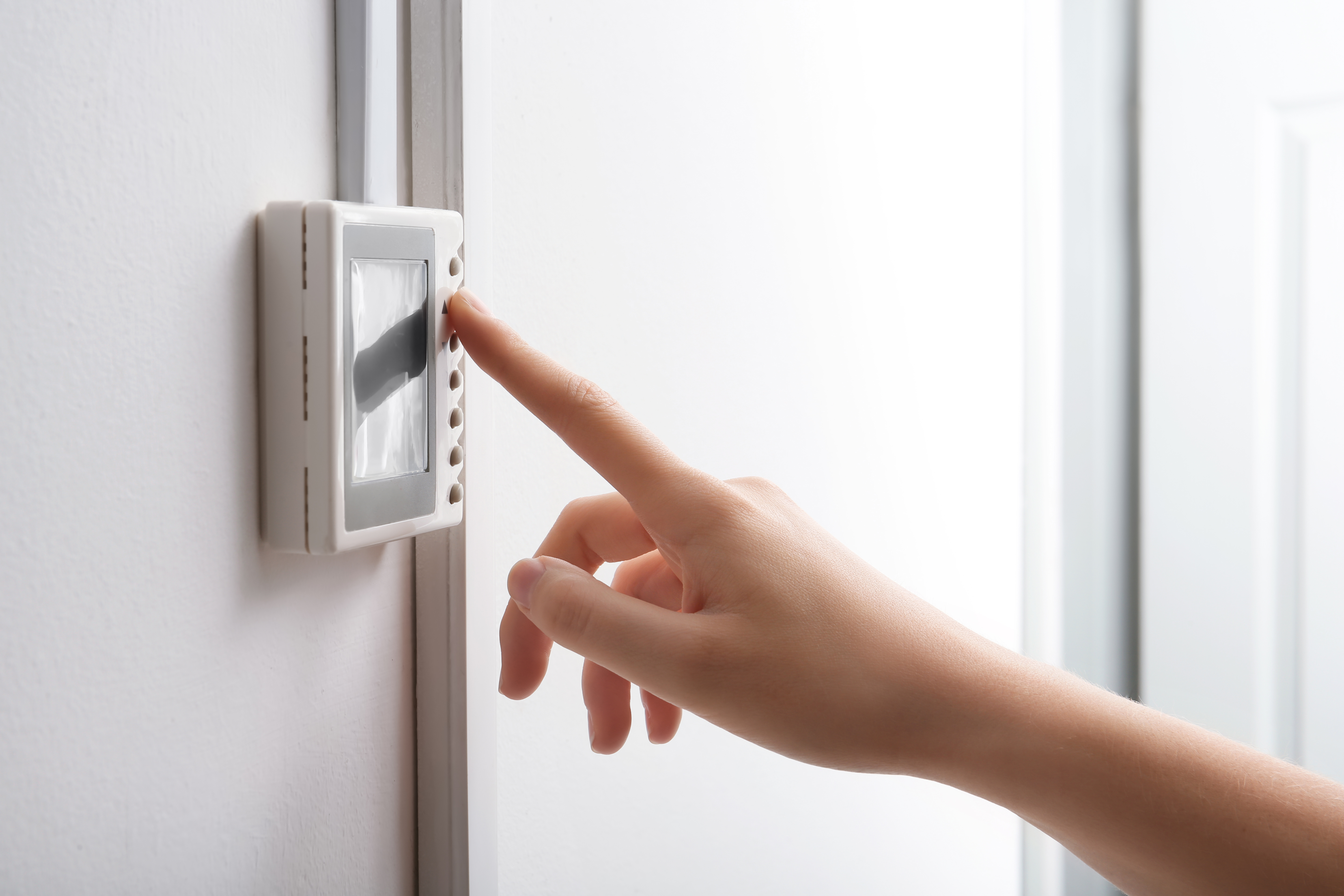
Modern gas-fired boiler systems integrate seamlessly with standard wall thermostats or advanced wireless control networks. Whether you prefer a "set-it-and-forget-it" analog setup or want to monitor and adjust your home's temperature via your smartphone while traveling, today's boiler systems accommodate all smart home technologies.
Core Residential Boiler Configuration Options
Combination Boilers (Combi Boilers)
-
How it works: A single, compact unit heats both your living spaces and your domestic tap water on demand.
-
The advantage: This configuration completely eliminates the space and cost requirements of a separate, standing indirect water tank.
Heat-Only Boilers Paired with an Indirect Tank
-
How it works: A dedicated residential boiler is linked directly to an insulated indirect storage tank.
-
The advantage: Engineered specifically for large families or luxury lifestyles with immense domestic hot water demands, ensuring maximum thermal output without losing water pressure.
Automated Snowmelt Integration
-
How it works: Your boiler is sized to handle an outdoor hydronic loop beneath your pavement alongside your indoor climate zones.
-
The advantage: Safely melts winter precipitation on contact. Because these are highly advanced systems, working with a certified heating technician is critical to ensure proper BTU calculations.